
Health, Wellness & Mental Health: A Holistic Guide to Thriving in 2025
In a world that moves faster every year, conversations around health, wellness, and mental well-being have never been more important. Today, people are recognizing that true health is more than the absence of illness—it’s a balanced combination of physical vitality, emotional stability, mental clarity, and a sense of purpose. As we navigate 2025, the focus is shifting toward holistic wellness, a lifestyle that nurtures the mind, body, and spirit together. This blog explores why this approach matters, how it’s changing the way we live, and the realistic steps anyone can take to thrive in their daily life.
Health and wellness are more than the absence of illness—they represent a full state of physical, mental, emotional, and social well-being. In today’s fast-paced world, maintaining good health has become more important than ever. With rising stress levels, sedentary lifestyles, and growing awareness about mental health, people are now prioritizing a holistic approach to wellness.
This guide explores the key pillars of health and wellness and offers practical tips for achieving a healthier, more balanced life.
🌱 What Is Health & Wellness?
Health and wellness go beyond physical fitness—it’s a holistic lifestyle that includes mental, emotional, and social well-being. In today’s fast-paced world, many people struggle with stress, anxiety, and burnout, making mental health just as important as physical health. By understanding how these areas connect, you can build a stronger foundation for a happier, healthier life.
🧠 Why Mental Health Matters
Mental health affects how we think, feel, and act. It influences sleep, decision-making, productivity, and relationships. Ignoring your mental health can lead to:
-
Chronic stress
-
Lack of motivation
-
Mood swings
-
Burnout
-
Poor physical health
Focusing on mental health tips and daily self-care routines can help you stay balanced, calm, and resilient.
💪 The Pillars of Holistic Wellness
To improve your wellness lifestyle, focus on these key areas:
1. Physical Wellness
-
Regular exercise
-
Nutritious meals
-
Proper hydration
-
Quality sleep
Physical health supports emotional balance and reduces symptoms of anxiety and stress.
2. Emotional Wellness
-
Understanding your feelings
-
Practicing gratitude
-
Healthy expression of emotions
-
Setting boundaries
Building emotional resilience is essential for long-term mental well-being.
3. Mental Wellness
-
Mindfulness
-
Meditation
-
Continuous learning
-
Therapy when needed
These habits improve focus, clarity, and inner peace.
4. Social Wellness
-
Healthy relationships
-
Supportive friends
-
Strong communication
-
Community involvement
Positive social connections boost happiness and reduce stress.
✨ Simple Daily Wellness Habits to Follow
Incorporate these healthy habits into your routine to support long-term wellness:
✔ Practice mindfulness
A few minutes of mindful breathing can lower stress and improve concentration.
✔ Stay active
Walk, stretch, or engage in a workout you enjoy. Movement boosts mood instantly.
✔ Eat whole foods
Fruits, vegetables, lean proteins, and whole grains support energy and mental clarity.
✔ Prioritize sleep
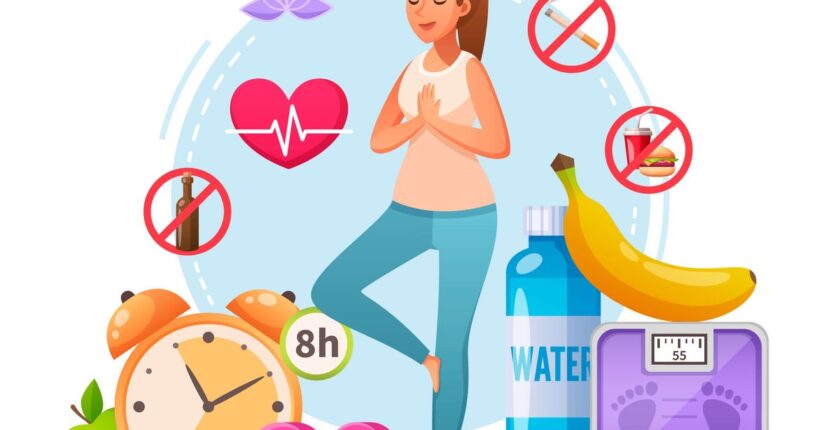
Aim for 7–8 hours each night to improve emotional stability and brain function.
✔ Reduce screen time
Digital detoxing helps protect your mental health and reduces anxiety.
🌼 The Role of Self-Care in Mental Health
Self-care isn’t selfish—it’s necessary for maintaining your emotional well-being. Simple self-care ideas include:
-
Reading or journaling
-
Taking breaks from work
-
Spending time in nature
-
Listening to calming music
-
Enjoying hobbies
Even 10 minutes a day of intentional self-care can lift your mood and reduce stress.
😌 Effective Stress Management Techniques
Stress is unavoidable, but it can be controlled with healthy habits. Try these stress management techniques:
-
Deep breathing exercises
-
Time management
-
Saying “no” to overwhelming tasks
-
Connecting with loved ones
-
Practicing yoga or stretching
Managing stress effectively improves your overall health and wellness.
🔍 When to Seek Professional Help
It’s important to reach out for support when you notice:
-
Persistent sadness
-
Constant worry or anxiety
-
Difficulty concentrating
-
Loss of interest in daily activities
-
Trouble sleeping
-
Feeling overwhelmed
Therapists and mental health professionals can guide you toward healing and emotional balance.
Simple Everyday Habits for Better Health and Wellness
Here are small, manageable habits that make a big difference:
✔ Drink more water
✔ Walk 20–30 minutes daily
✔ Limit processed foods and sugary drinks
✔ Practice deep breathing exercises
✔ Keep a consistent sleep routine
✔ Spend time outdoors
✔ Reduce screen time before bed
✔ Connect with positive people
✔ Take breaks and rest when needed
✔ Practice gratitude
Small habits create long-term change.
🌟 Final Thoughts
Prioritizing health, wellness, and mental health is one of the best decisions you can make for yourself. By adopting small, consistent habits—like mindfulness, self-care, movement, and healthy eating—you can build a life filled with balance, peace, and purpose. Remember: wellness is a journey, not a destination. Start with one step today, and your future self will thank you.
also read : https://www.who.int/data/gho/data/major-themes/health-and-well-being
Acespuer is a new one for me, but I’m digging it so far. Smooth gameplay and some cool graphics. Check it out if you’re bored: acespuer
Can’t log in to betbhai9login! Anyone else having this problem? Or is it just me? Anyway, worth getting through the login screen? Access the login screen at betbhai9login