
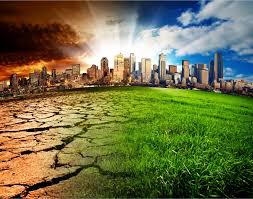
Climate Change in 2025: Causes, Effects, and Solutions for a Warming Planet
Future effects of global climate change
-
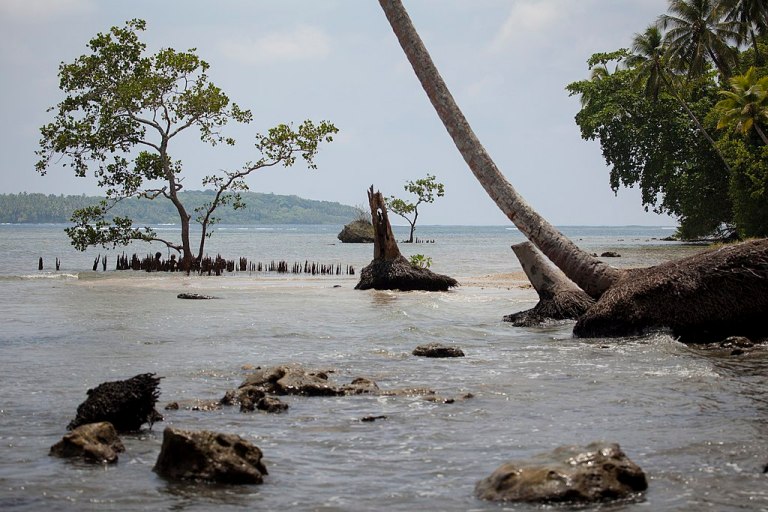
Sea Level Likely to Rise 1 to 6.6 Feet by 2100
Global sea level has risen about 8 inches (0.2 meters) since reliable record-keeping began in 1880. By 2100, scientists project that it will rise at least another foot (0.3 meters), but possibly as high as 6.6 feet (2 meters) in a high-emissions scenario. Sea level is rising because of added water from melting land ice and the expansion of seawater as it warms.
Image credit: Creative Commons Attribution-Share Alike 4.0
-
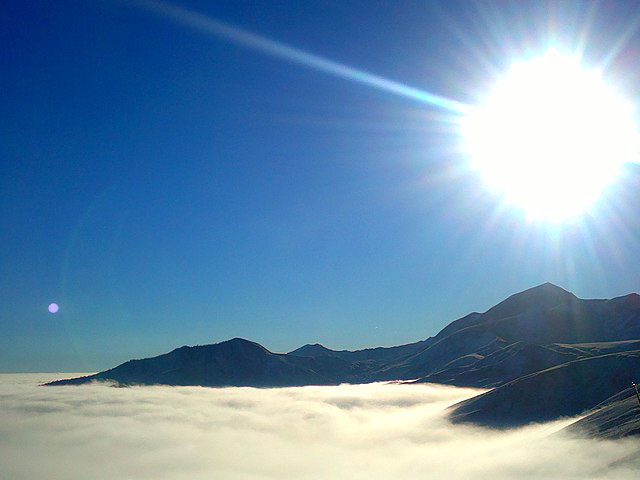
Climate Changes Will Continue Through This Century and Beyond
Global climate is projected to continue warming over this century and beyond.
Image credit: Khagani Hasanov, Creative Commons Attribution-Share Alike 3.0
-
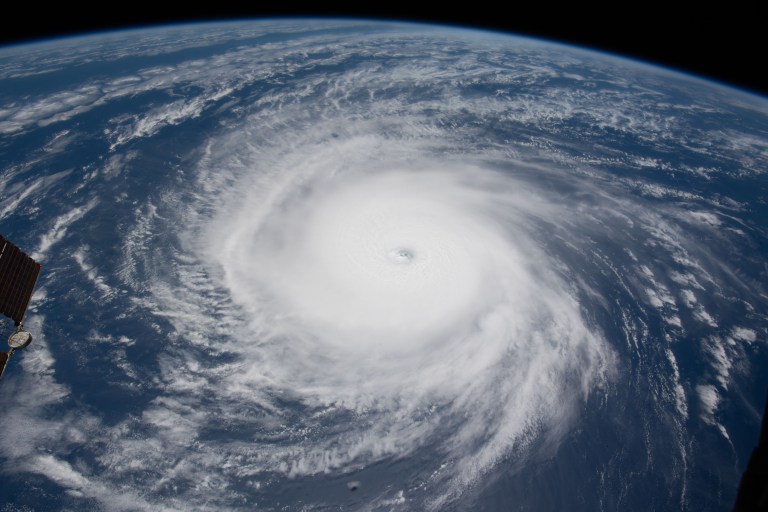
Hurricanes Will Become Stronger and More Intense
Scientists project that hurricane-associated storm intensity and rainfall rates will increase as the climate continues to warm.
Image credit: NASA
-
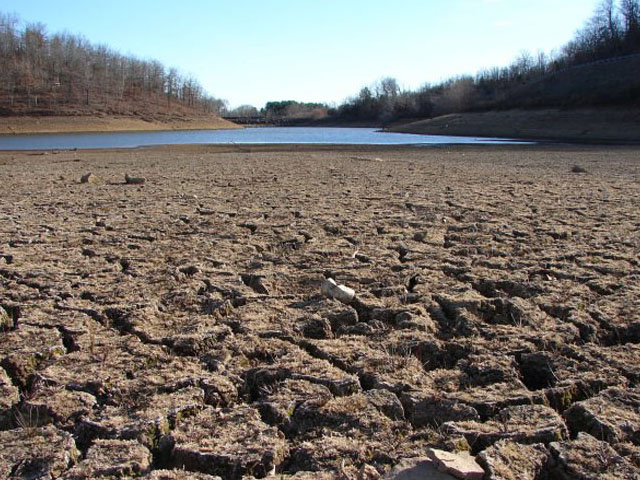
More Droughts and Heat Waves
Droughts in the Southwest and heat waves (periods of abnormally hot weather lasting days to weeks) are projected to become more intense, and cold waves less intense and less frequent.
Image credit: NOAA
-
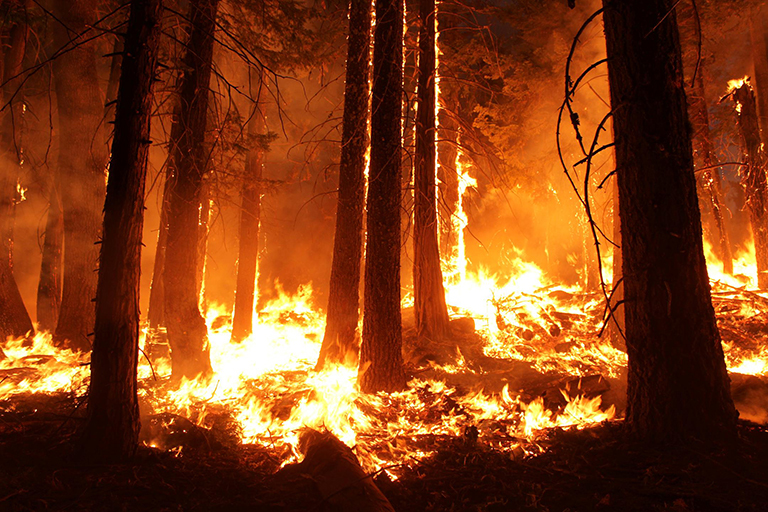
Longer Wildfire Season
Warming temperatures have extended and intensified wildfire season in the West, where long-term drought in the region has heightened the risk of fires. Scientists estimate that human-caused climate change has already doubled the area of forest burned in recent decades. By around 2050, the amount of land consumed by wildfires in Western states is projected to further increase by two to six times. Even in traditionally rainy regions like the Southeast, wildfires are projected to increase by about 30%.
-
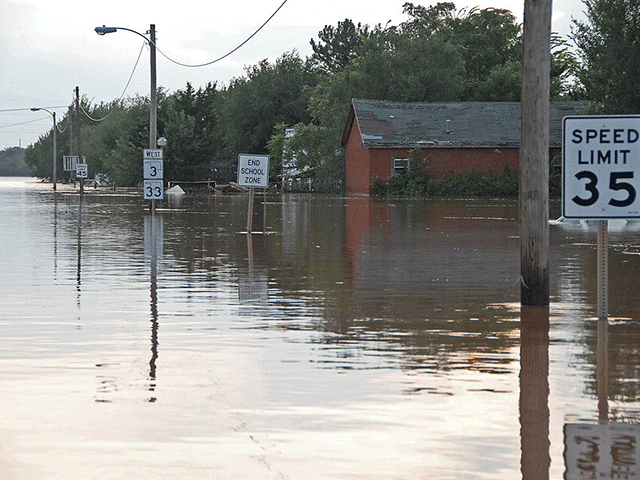
Changes in Precipitation Patterns
Climate change is having an uneven effect on precipitation (rain and snow) in the United States, with some locations experiencing increased precipitation and flooding, while others suffer from drought. On average, more winter and spring precipitation is projected over this century.
Image credit: Marvin Nauman/FEMA
-
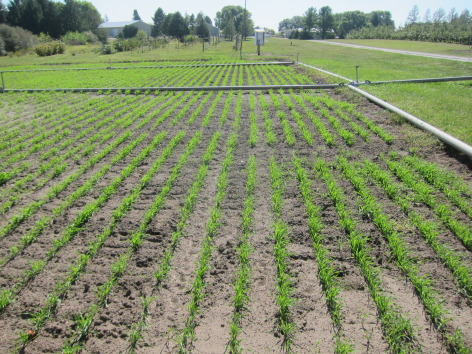
Frost-Free Season (and Growing Season) will Lengthen
The length of the frost-free season, and the corresponding growing season, has been increasing since the 1980s, with the largest increases occurring in the western United States. Across the United States, the growing season is projected to continue to lengthen, which will affect ecosystems and agriculture.
-
Global Temperatures Will Continue to Rise
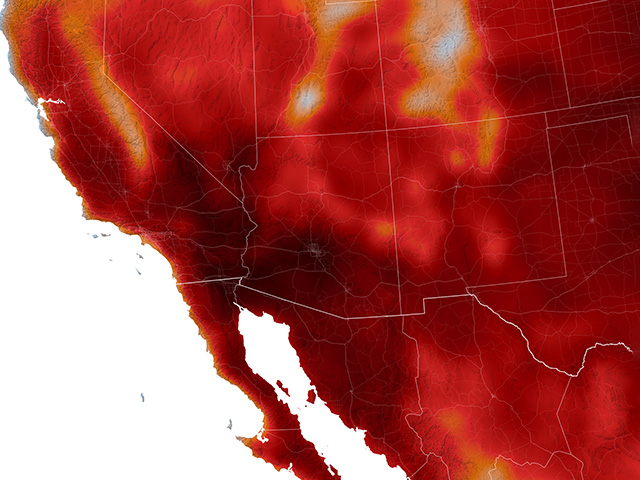
Summer of 2023 was Earth’s hottest summer on record, 0.41 degrees Fahrenheit (F) (0.23 degrees Celsius (C)) warmer than any other summer in NASA’s record and 2.1 degrees F (1.2 C) warmer than the average summer between 1951 and 1980.
Image credit: NASA
-
Arctic Is Very Likely to Become Ice-Free
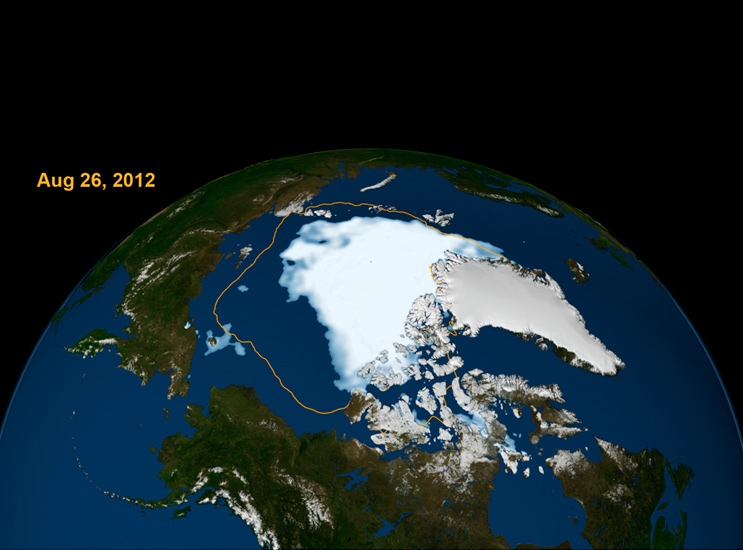
Sea ice cover in the Arctic Ocean is expected to continue decreasing, and the Arctic Ocean will very likely become essentially ice-free in late summer if current projections hold. This change is expected to occur before mid-century.
Introduction
Climate change is one of the most urgent global issues of our time. As global warming accelerates, rising temperatures, extreme weather events, and environmental instability are affecting every nation. In 2025, the climate crisis continues to dominate global conversations, making it essential to understand the causes of climate change, its impacts, and the best climate change solutions available today.
This SEO-optimized article dives into the effects of climate change, the science behind it, and actionable steps for reducing your carbon footprint and supporting environmental sustainability.
What Is Climate Change?
Climate change refers to long-term shifts in temperature and weather patterns. While natural processes play a role, the rapid global temperature rise we see today is mainly driven by greenhouse gas emissions from human activities.
Main Causes of Climate Change
1. Greenhouse Gas Emissions
The burning of fossil fuels for electricity, transportation, and industry releases high levels of:
-
Carbon dioxide (CO₂)
-
Methane (CH₄)
-
Nitrous oxide (N₂O)
These greenhouse gases trap heat and intensify global warming. This increase in carbon emissions is the single biggest driver of the climate crisis.
2. Deforestation and Land Use Changes
Deforestation weakens one of Earth’s greatest natural defenses. Forests absorb carbon dioxide, but rapid logging and land clearing for agriculture reduce carbon absorption, increasing pollution and accelerating the warming effect.
3. Industrial and Agricultural Practices
Livestock farming, chemical fertilizers, and industrial processes produce significant methane and nitrous oxide emissions. These industries must adopt sustainable agriculture practices to combat climate change impacts.
The Impact of Climate Change in 2025
1. Higher Global Temperatures
Rising global temperatures are creating severe heatwaves, damaging crops, affecting human health, and threatening biodiversity. The global warming effects are intensifying every year.
2. Melting Ice Caps and Rising Sea Levels
Melting glaciers and Arctic ice contribute to dangerously rising sea levels, putting coastal cities at risk. This major environmental issue affects millions of people worldwide.
3. Extreme Weather Events
Climate change is linked to stronger and more frequent:
-
Hurricanes
-
Floods
-
Wildfires
-
Droughts
-
Storm surges
These extreme weather events highlight the need for stronger climate adaptation and mitigation strategies.
4. Threats to Biodiversity
Wildlife and marine life face increasing danger as ecosystems change faster than species can adapt. Biodiversity loss is now one of the most alarming consequences of global warming.
5. Food and Water Insecurity
Climate disruptions harm agriculture and water systems. Many regions are already experiencing:
-
Reduced crop yields
-
Water shortages
-
Increased food prices
This makes food and water security a growing global concern.
Climate Change Solutions: What We Can Do in 2025
1. Transition to Renewable Energy
Switching to renewable energy — including wind, solar, and hydro power — is one of the most effective ways to reduce carbon emissions and achieve carbon neutrality.
2. Reduce Carbon Footprint
Individuals and companies can reduce their carbon footprint by:
-
Using electric vehicles
-
Conserving energy at home
-
Supporting clean-energy initiatives
-
Reducing waste
Small changes lead to large-scale environmental sustainability.
3. Protect and Restore Forests
Reforestation and forest protection are essential steps in fighting climate change. Restoring forests improves air quality and increases natural carbon absorption.
4. Adopt Sustainable Agriculture
Regenerative farming, reduced meat consumption, and minimizing food waste lower emissions and support sustainable living.
5. Strengthen Climate Policies
Governments must enforce strong climate policies by:
-
Setting emission reduction targets
-
Investing in green technology
-
Supporting eco-friendly business practices
-
Promoting climate education
These steps strengthen global climate action.
6. Increase Climate Awareness
Educating communities about climate adaptation, sustainable habits, and renewable alternatives encourages meaningful action worldwide.
Why Climate Action Matters Now
Climate change threatens the environment, the economy, and human health. Taking action today is crucial to prevent irreversible damage. The decisions we make in 2025 will define whether future generations live on a healthy planet or one permanently damaged by global warming.
Conclusion
Climate change is the defining environmental challenge of the 21st century. By embracing renewable energy, sustainable agriculture, and climate-friendly habits, we can slow global warming and build a more resilient world.